
Where can I find cases of precision CNC punching machines?
Where can I find cases of precision CNC punching machines?

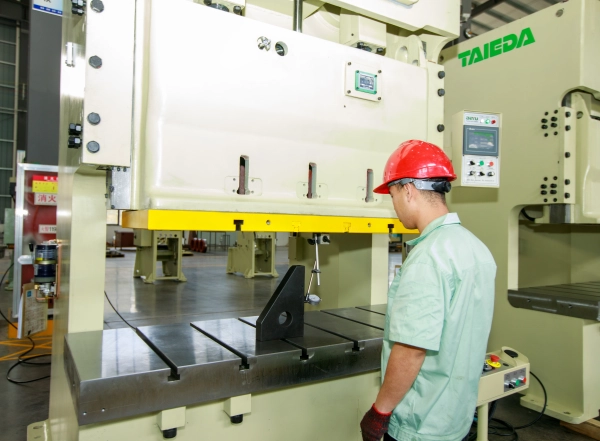
Where can I obtain application cases of precision CNC punching machines?
As a core equipment in modern manufacturing, precision CNC punching machines are important references for enterprises to optimize processes, select equipment, and improve efficiency through their application cases. Obtaining high-quality cases requires starting from professional channels. The following are the main sources of information and methods of obtaining them:
1、 Industry vertical platform
Vertical platforms such as China Machine Tool Network, Global Machine Tool Network, and Sheet Metal Processing Network in China usually have “Case Center” and “Application Example” sections. Users can search by keywords (such as “precision CNC punching sheet metal processing cases” and “automotive parts punching examples”) or browse by industry classification (electronics, automotive, home appliances, aerospace). These cases are mostly submitted by industry media or enterprises, covering details such as equipment selection logic, process parameter settings, and comparison of processing effects. Some are accompanied by video demonstrations to visually demonstrate the punching process and precision control of complex parts. For example, the platform often includes a case study of batch processing of CNC punching machines for electronic device casings, detailing how to improve material utilization through mold combination and program optimization.
2、 Academic databases and professional journals
The Chinese databases (CNKI, Wanfang, VIP) and foreign databases (IEEE Xplore, ScienceDirect) contain a large number of academic papers and technical reports on the application of CNC punching machines. When searching, keywords such as “case study of precision CNC punching machine” and “example of CNC punching machine process optimization” can be used to screen literature from the past 3-5 years to ensure timeliness. These cases are often combined with specific technical issues, such as “Error Control Case of High precision Metal Thin Plate Punching” and “CNC Punching Composite Processing Scheme for Complex Curved Parts”. They not only include practical data, but also incorporate theoretical analysis (such as finite element simulation for optimizing cutting force), which is suitable for technical research and development personnel to refer to.
3、 Industry exhibitions and technical seminars
Large scale machine tool exhibitions (such as CIMT and SIMM) and sheet metal processing seminars are important channels for offline case acquisition. Exhibitors usually showcase the actual application results of their equipment at their booth, including processing samples, process flow diagrams, and efficiency comparison data (such as the difference in processing time between traditional punch presses and CNC punch presses); During the seminar, technical personnel from enterprises will share frontline cases, such as the case of CNC punching machine processing for new energy vehicle battery trays, and explain how to achieve mass production through multi station molds and automatic feeding systems. Users can check exhibitors’ case previews in advance through the exhibition website, or download exhibition information packages and read in-depth reports from industry media after the exhibition to obtain information.
4、 Enterprise Technical Documents and White Papers
The official websites of mainstream device manufacturers often publish technical white papers and application guides in the “Technical Support” or “Resource Center” sections. These documents contain landing cases of equipment in different industries, such as “High precision application of a certain model of CNC punching machine in aviation parts processing”, detailing the processing technology (such as micro punching technology), parameter settings (such as punching speed, mold clearance), and quality inspection results. Users can follow the technical information section of equipment manufacturers in the industry to collect cases without brand bias (focusing only on processes and application scenarios).
5、 Industry associations and organizational resources
The official websites or internal publications of industry organizations such as China Machinery Industry Federation and China Sheet Metal Processing Association will regularly release excellent application cases or industry research reports of member units. These cases have been selected and have industry representativeness, such as the “Compliance Case of Precision CNC Punching in Medical Device Parts Processing”, reflecting the industry application trend. Users can obtain information through the “Industry Trends” and “Technical Cases” sections on the association’s official website, or subscribe to association journals such as “China Mechanical Engineering”.
6、 Online Technology Community and Forum
On platforms such as Zhihu, Machining Forum, and CNC Technology Forum, practitioners will share frontline operational cases. For example, users can post discussions on “Common Problems and Solutions in Stainless Steel Thin Plate Punching” and “Examples of Efficiency Improvement in Automatic Mold Replacement of CNC Punching Machines”, which include specific operating steps and troubleshooting methods (such as accuracy reduction caused by mold wear), and have strong practicality. Users can gain practical experience by searching for relevant topics or joining professional groups.
summary
To obtain cases of precision CNC punching machines, it is necessary to comprehensively utilize online and offline channels: industry platforms provide practical cases, academic databases provide in-depth research, exhibitions display intuitive results, enterprise documents provide professional guidance, association resources reflect industry trends, and community forums share frontline experiences. Through multi-channel cross validation, a comprehensive understanding of the application scenarios and technological potential of the equipment can be obtained, providing reliable references for production decisions.


