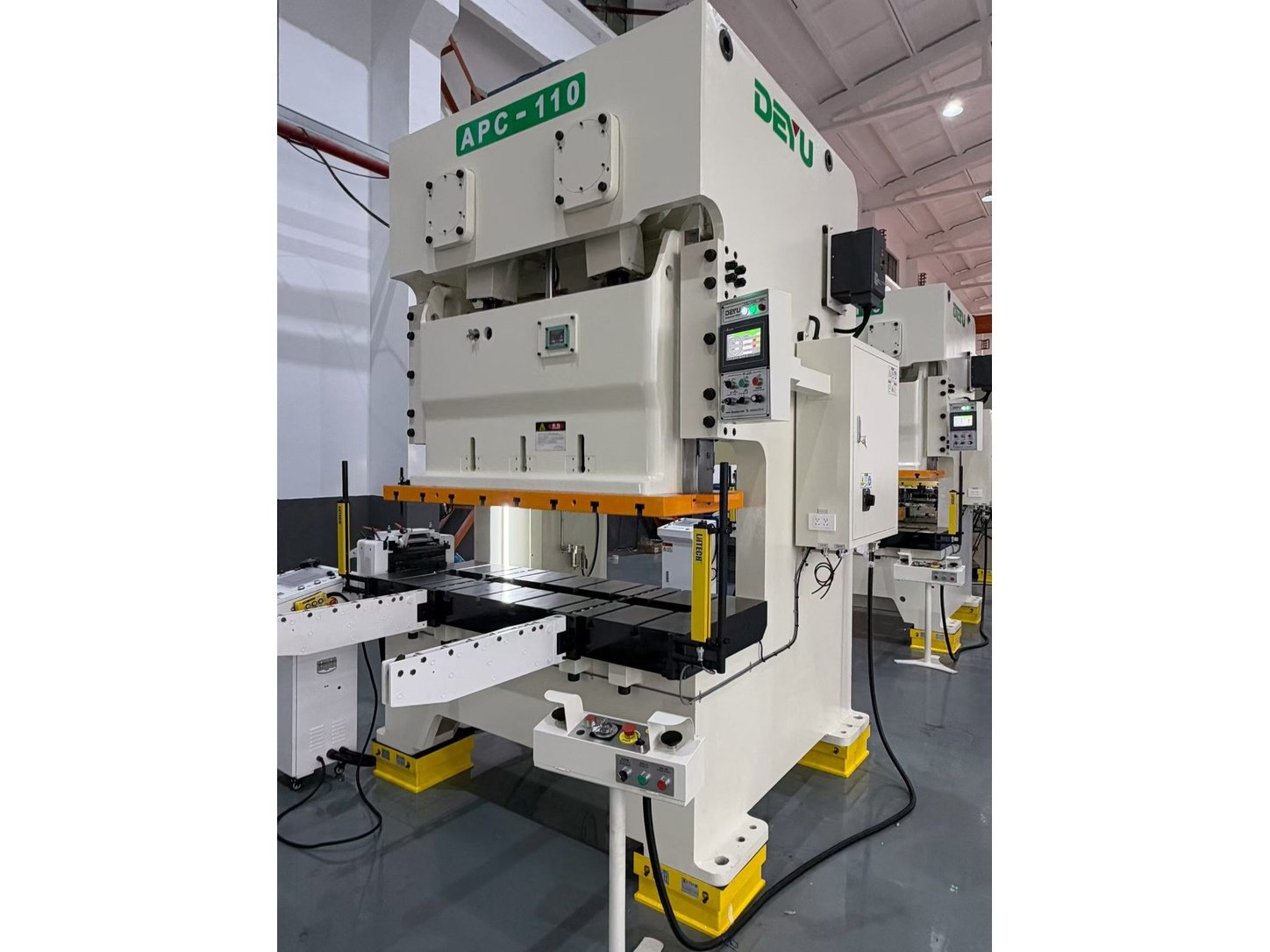
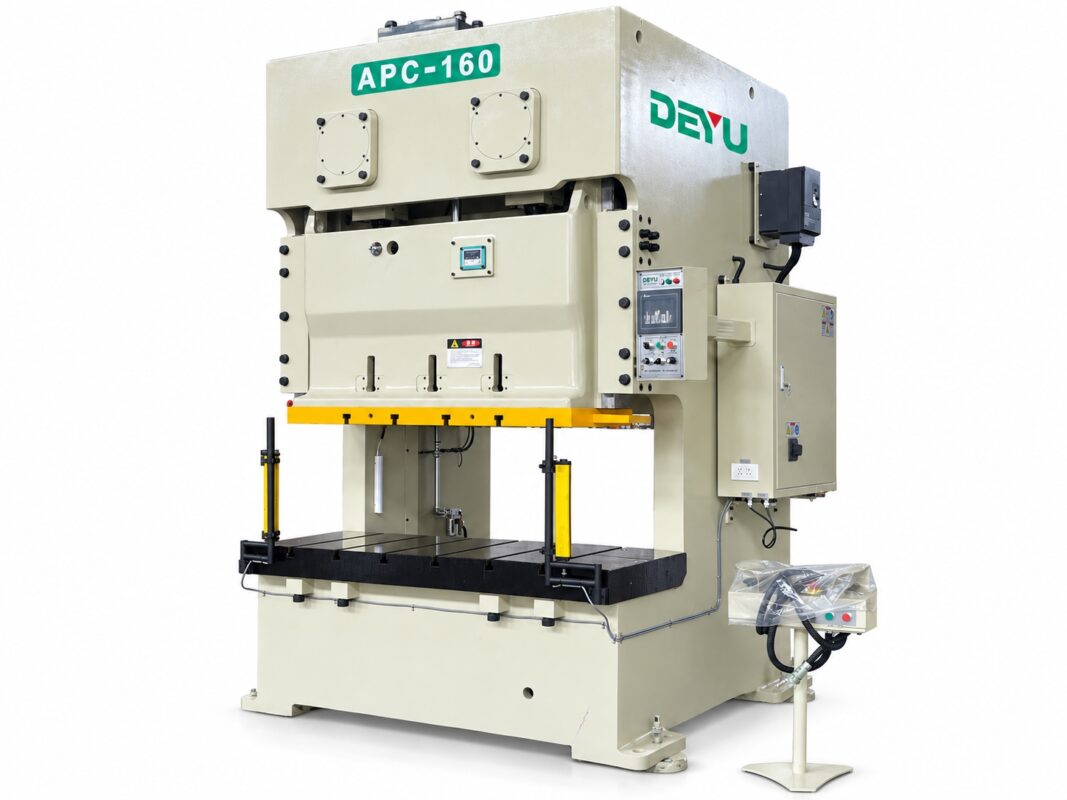
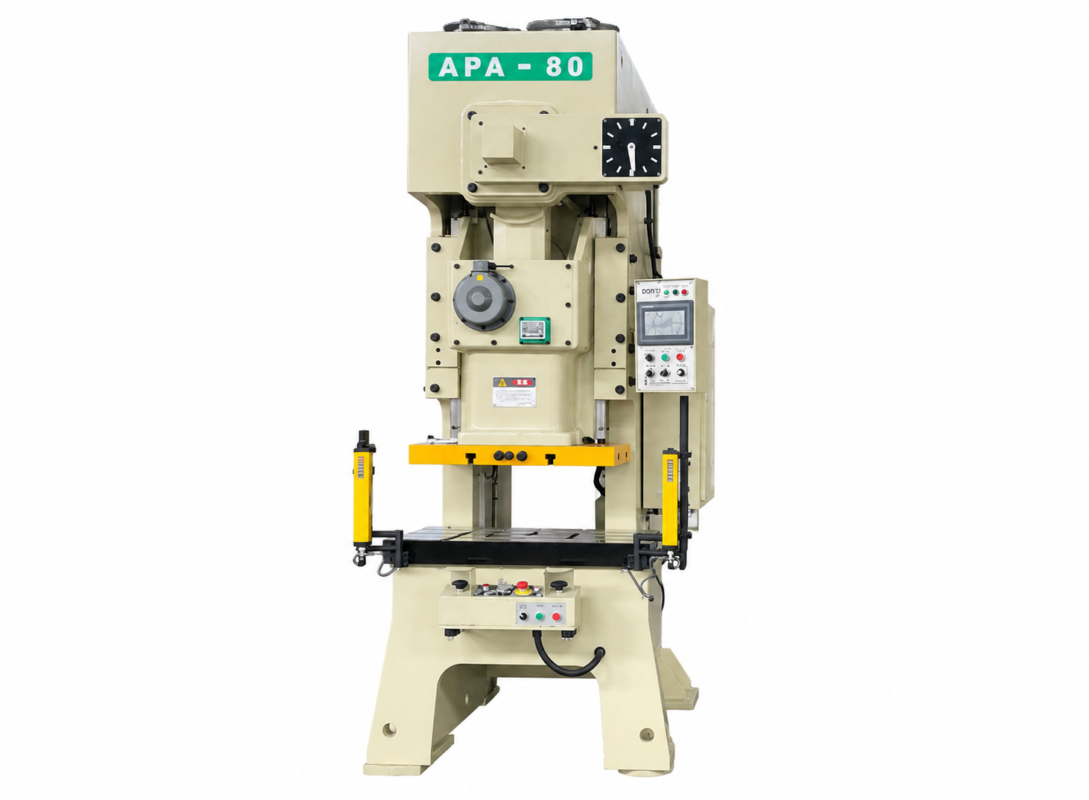
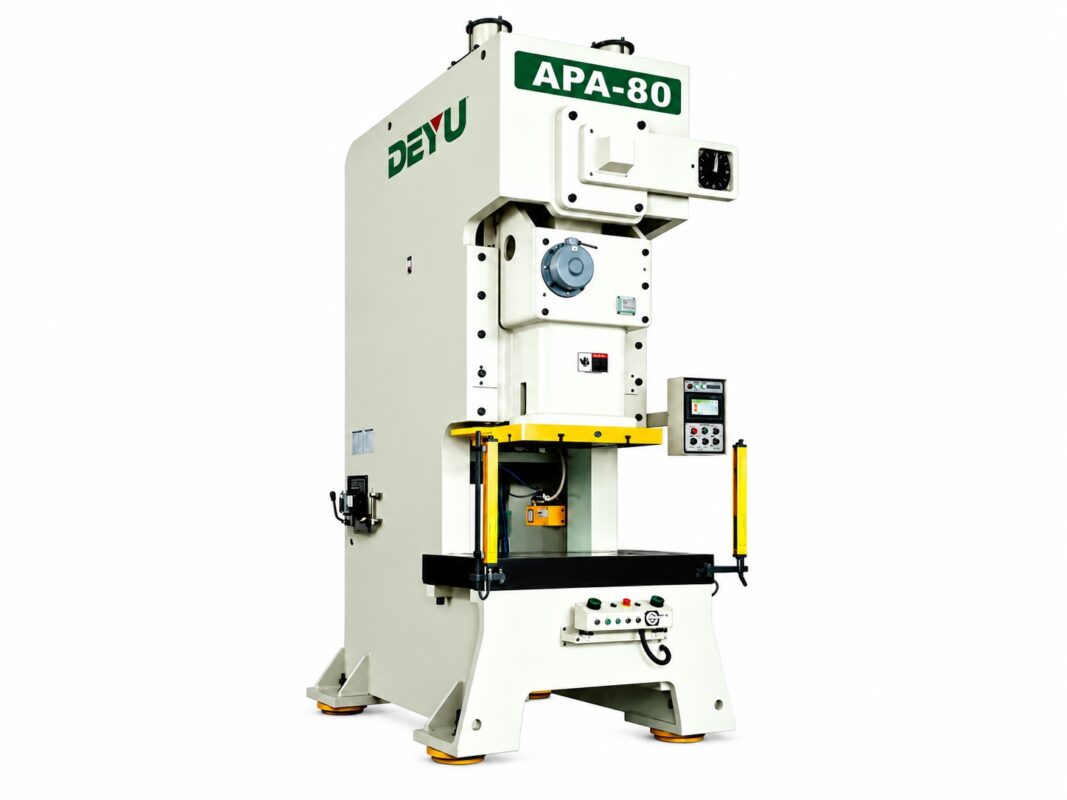
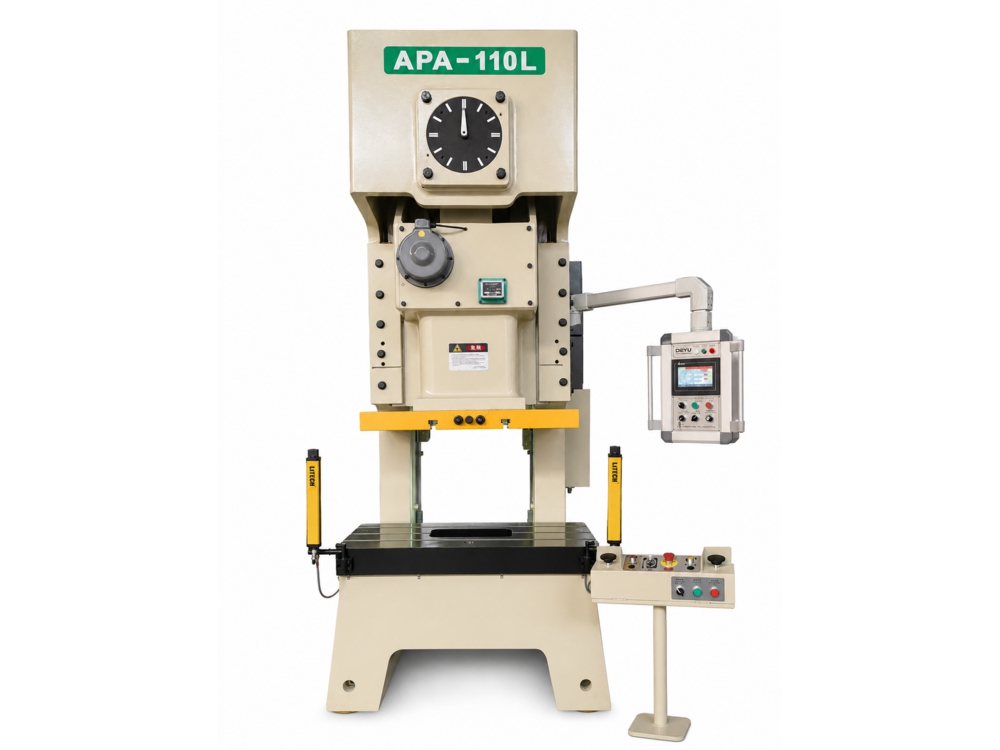
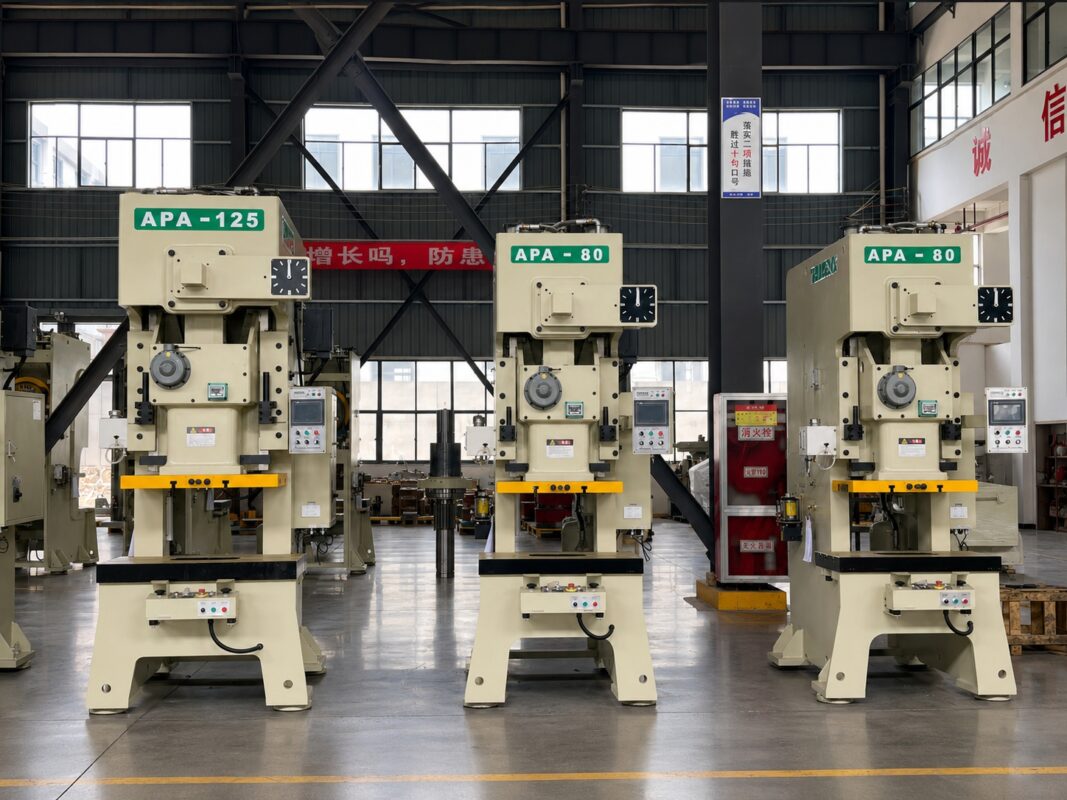
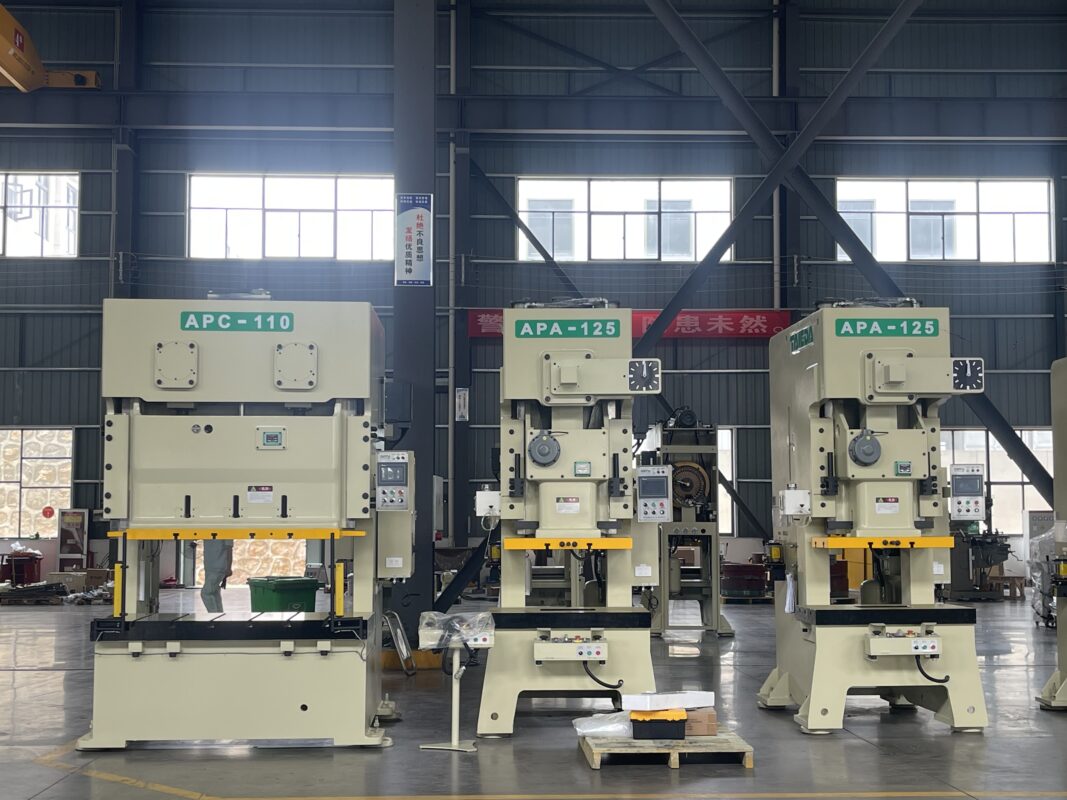
A 200-ton, 400-ton or 600-ton press may be suitable for a sheet metal stamping project. The choice starts with the work the die performs in one stroke. A small part with several holes can require more punching force than its size suggests, while a large, shallow panel may need a wider bed without requiring a higher tonnage rating.
To choose press tonnage, consider three things together: the force the operation requires, the space the die occupies and the output the line must achieve.
1. Determine how much force the operation requires
For punching and blanking, start with the total cutting perimeter, material thickness and material shear strength. If the die punches several holes and trims an outside edge in the same stroke, include every edge cut at the same time. Using only the outside dimensions of the finished part will give an incomplete estimate.
For bending and drawing, the cutting perimeter alone cannot tell you the required force. Give the press supplier the part drawing, material grade, thickness and forming depth. For a mechanical press, also check where in the stroke the load is required. The nominal tonnage on the nameplate does not mean the press can deliver that force at every slide position.
2. Compare 200-ton, 400-ton and 600-ton presses
200-ton press. A buyer producing pierced brackets might begin by evaluating a 200-ton press. Check the combined load from the holes and blank profile, then compare the die footprint with the slide and bolster. If the load is within the press capacity but the die is too long for the bed, look for a suitable bed size before moving up in tonnage.
400-ton press. Consider this class when the calculated load exceeds the working capacity of the smaller press. A progressive die is a useful example: one station may pierce while others trim and form during the same stroke. Review the combined load and its position across the die. The press supplier needs both to assess whether the proposed machine can handle the job.
600-ton press. A larger forming project may justify evaluating a 600-ton press, particularly when it requires both higher force and a larger tooling area. For a drawn component, confirm the available force through the forming portion of the stroke, the energy available per stroke and the clearance needed to remove the part. A higher nameplate rating alone does not establish that the machine can run the die at the requested speed.
3. Check die fit and production speed
Once you have identified a suitable tonnage range, compare the upper die shoe with the slide face and the lower die shoe with the bolster. Check length and width separately, including room for clamps and access to the mounting positions. Two presses with the same rated tonnage can have different mounting surfaces.
Next, check the die’s closed height against the press specification and slide adjustment range. Check stroke length separately: the tool needs enough opening for feeding, part removal and scrap discharge. For a coil-fed job, confirm that the feeder can complete each advance within the press cycle. The maximum strokes per minute in a catalogue is not a guarantee of finished parts per minute.
4. What to send when requesting a quotation
Send the part drawing, material grade and thickness, die dimensions, closed die height and target output. For an existing die, include the current press stroke and actual running speed if available. For a new die, identify which operations take place together.
With those details, suppliers can explain why they recommend a particular capacity and quote against the same requirements. To discuss press selection for your stamping project, contact DEYU at sales@deyupresses.com.