
When planning a stamping equipment purchase, the machine price is an important starting point. However, the total budget also depends on tooling, auxiliary equipment, installation and ongoing production expenses. A stamping press cost analysis helps buyers compare quotations on a consistent basis and understand the resources needed to put the equipment into production.
For companies evaluating DEYU mechanical presses, the following seven areas provide a practical framework for reviewing both the initial investment and longer-term operating costs.
1. Initial Investment
Machine purchase: The price of a mechanical press depends on its model and configuration. Capacity, frame structure, stroke, operating speed and working table dimensions should be reviewed together. Two presses with the same nominal tonnage may have different specifications and supply scopes.
Auxiliary equipment: Confirm whether the quotation includes feeders, straighteners, decoilers or other requested equipment. A machine-only quotation should be distinguished from a complete production line quotation.
Delivery and installation: Packing, transportation, unloading, site preparation, installation and commissioning may require separate budgets. Ask the supplier to identify the included items and exclusions in writing.
2. Operating Costs
Energy use: Consider the electricity required by the press and its associated equipment. Actual consumption depends on the operating conditions and production schedule. The main motor rating alone does not represent the energy consumption of the entire line.
Material consumption: Sheet or coil material is an ongoing production expense. When estimating material cost per part, account for the material grade, thickness, strip layout and expected scrap.
Labor: Include the personnel needed for material loading, machine operation, die changes, inspection and material handling. Staffing requirements should reflect the proposed production arrangement.
3. Maintenance and Repair Costs
Scheduled maintenance: Allow for lubrication, inspections, consumables and the working time required for maintenance. Maintenance tasks and intervals should follow the machine documentation and actual operating conditions.
Spare parts and repairs: Review which spare parts are included with the machine and which need to be purchased separately. For an overseas installation, also consider parts availability, delivery time and the agreed service arrangements.
Planning these items before purchase helps the buyer prepare a more complete maintenance budget.
4. Tooling and Die Costs
Die development and purchase: Tooling costs depend on the part design, material, required operations and production quantity. Clarify whether the project uses an existing die or requires new tooling, and confirm whether tooling is included in the equipment quotation.
Die compatibility: Before selecting a press, compare the die dimensions, weight and working height with the proposed machine specifications. Checking compatibility early can help identify the need for modifications before delivery.
Tooling maintenance: Include inspection, sharpening, repair and replacement of wear components where applicable. Estimate these expenses using information from the die supplier and experience with comparable production.
5. Downtime and Changeover Costs
Planned interruptions: Die changes, material changes, setup and maintenance all affect the time available for production. Consider how frequently these activities occur and how they fit into the production schedule.
Unplanned stoppages: Equipment faults, tooling issues or material feeding problems can interrupt output. Their cost depends on the length of the interruption, the resources required to resolve it and the effect on delivery commitments.
When comparing production proposals, evaluate expected usable production time rather than relying only on the maximum strokes per minute listed in a catalogue.
6. Quality Control Costs
Inspection: Budget for the gauges, measuring equipment and personnel required to check the finished parts. Inspection requirements should be based on the part drawing and customer acceptance criteria.
Rework and rejected parts: Defective parts can consume additional material, labor and machine time. Keep these costs separate from normal process scrap when reviewing production performance.
Finished-part quality depends on the interaction of the press, die, material and process settings. A press precision classification should not be treated as a guarantee of the dimensional tolerance of every stamped part.
7. Cost-Benefit Costs
Compare equivalent proposals: Check that quotations cover comparable machine specifications, accessories and services. A lower quoted price may represent a different supply scope.
Estimate cost per accepted part: Use a consistent production period and include the relevant material, labor, energy, tooling and maintenance costs. Divide the applicable total by the expected number of accepted parts, rather than the theoretical number of press strokes. If equipment depreciation or other overheads are included, apply the same accounting basis to each proposal.
Review investment assumptions: If the purchase is intended to increase output or replace existing equipment, document the expected benefits and the assumptions behind them. Compare conservative and expected production scenarios to understand how changes in demand or utilization could affect the result.
Planning Your Stamping Press Inverstment
A useful stamping press cost analysis connects the equipment quotation with the conditions of actual production. Reviewing the machine configuration, tooling, installation and operating requirements together gives buyers a clearer basis for budgeting and comparing alternatives.
To discuss a DEYU mechanical press for your project, send us your part drawing, material grade and thickness, die specifications and required production output. Please also include your delivery destination and any requested feeding equipment so that the proposed configuration and supply scope can be reviewed.
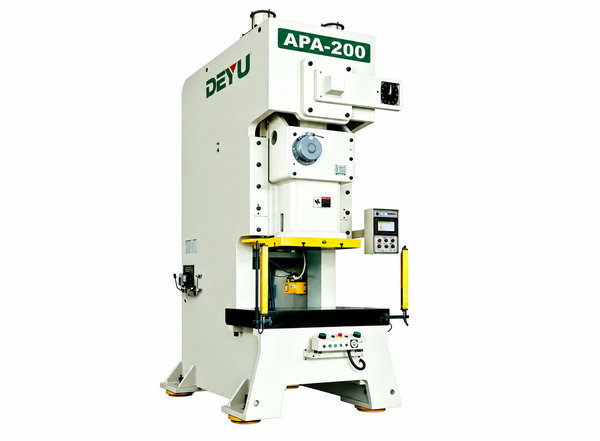
Mechanical Press
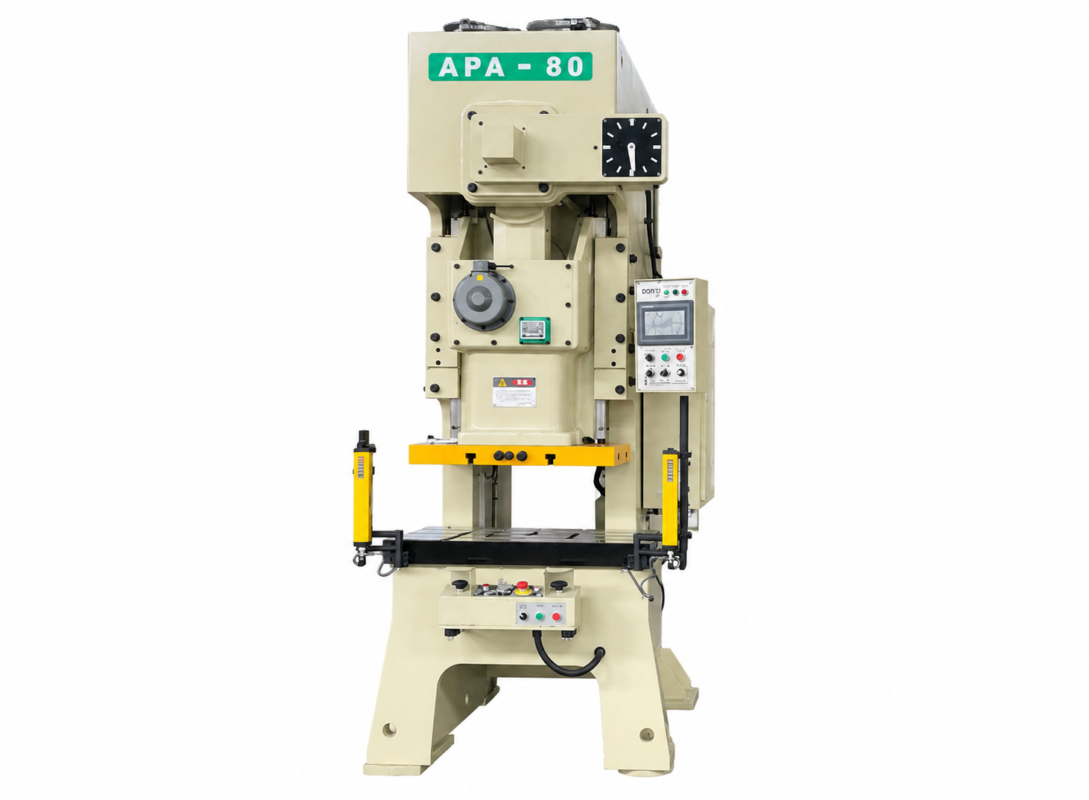
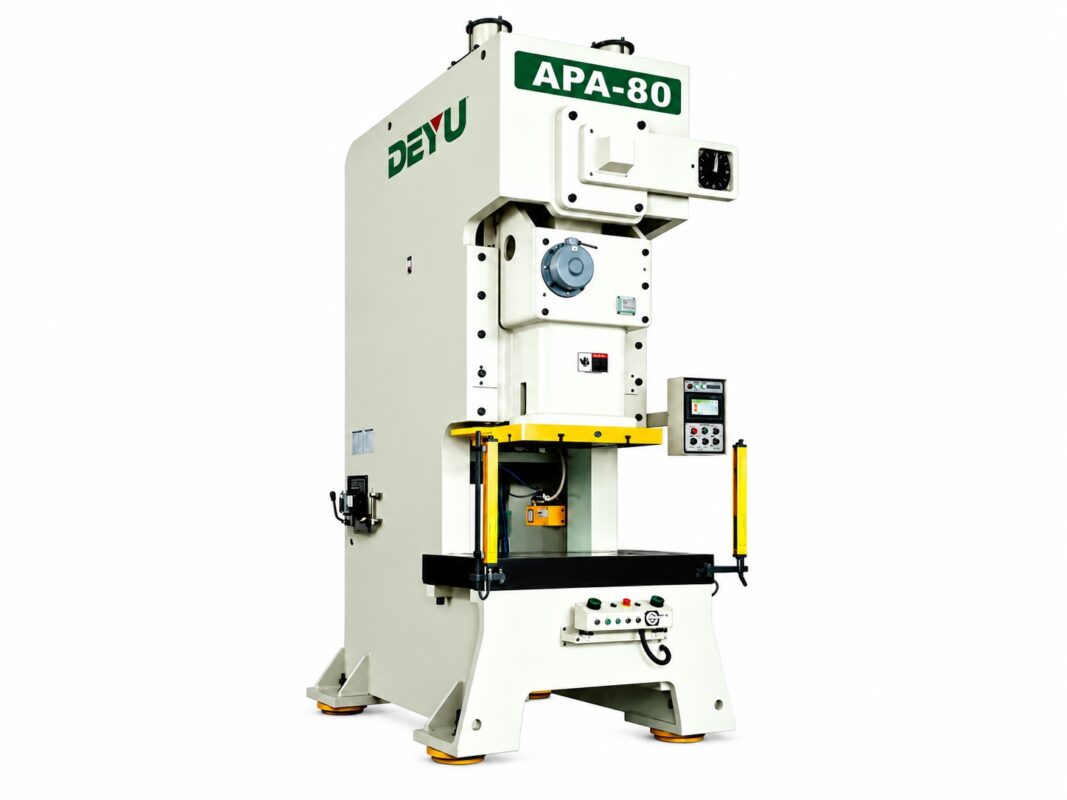
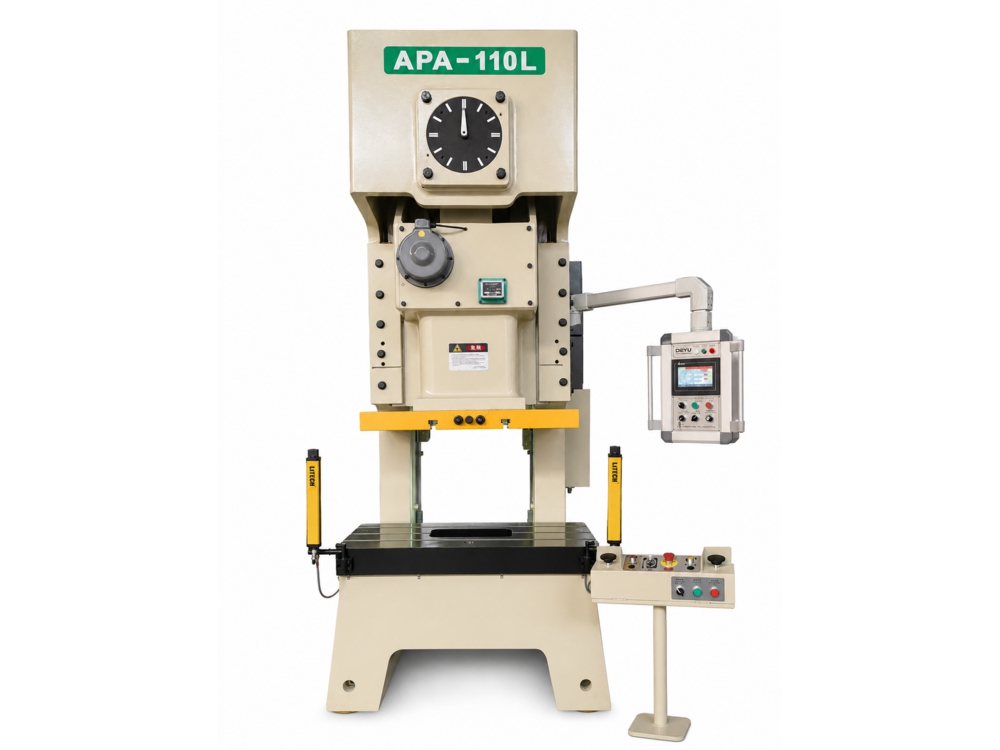
APA single-crank press specifications

H Frame Press Machine
APE straight-side double-crank presses.
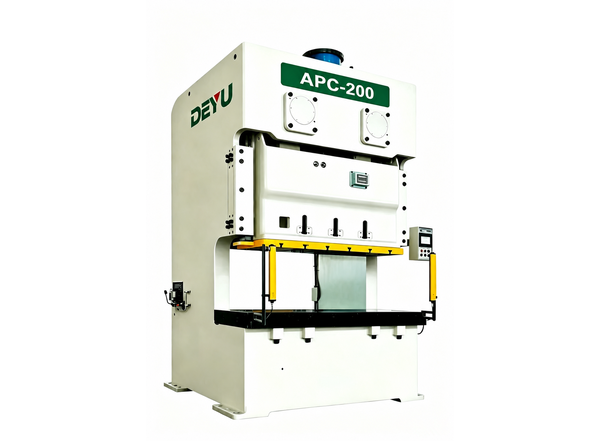
Double Crank Press
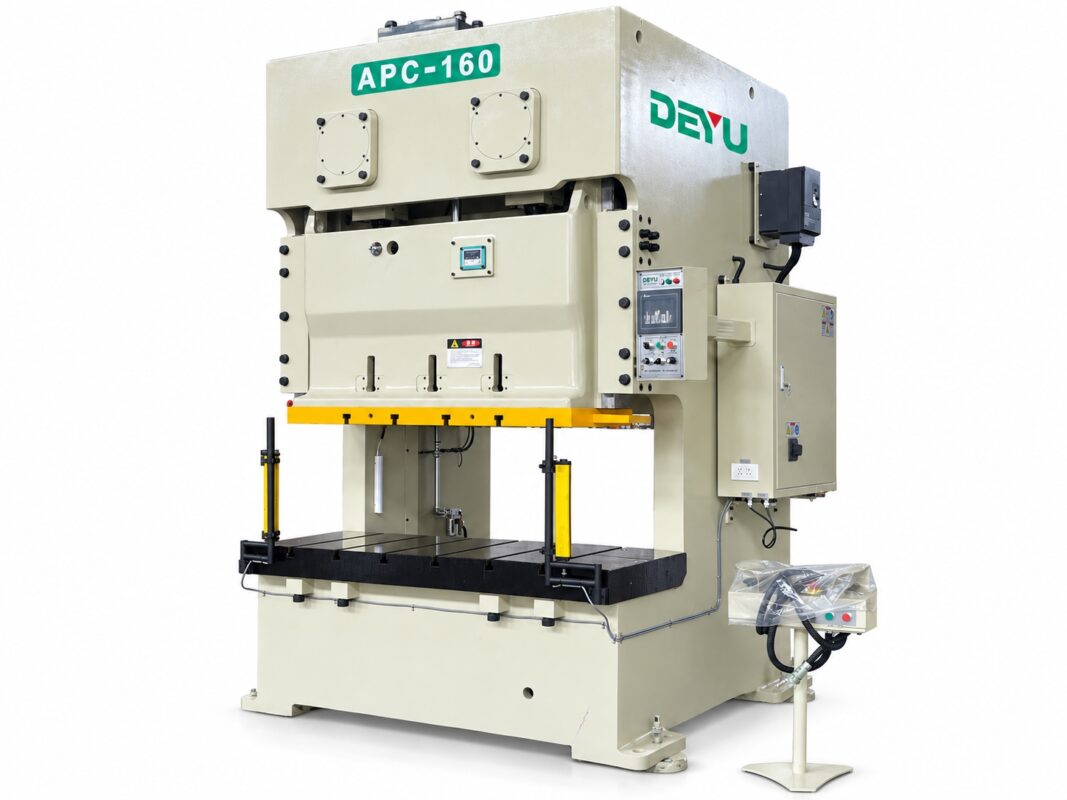
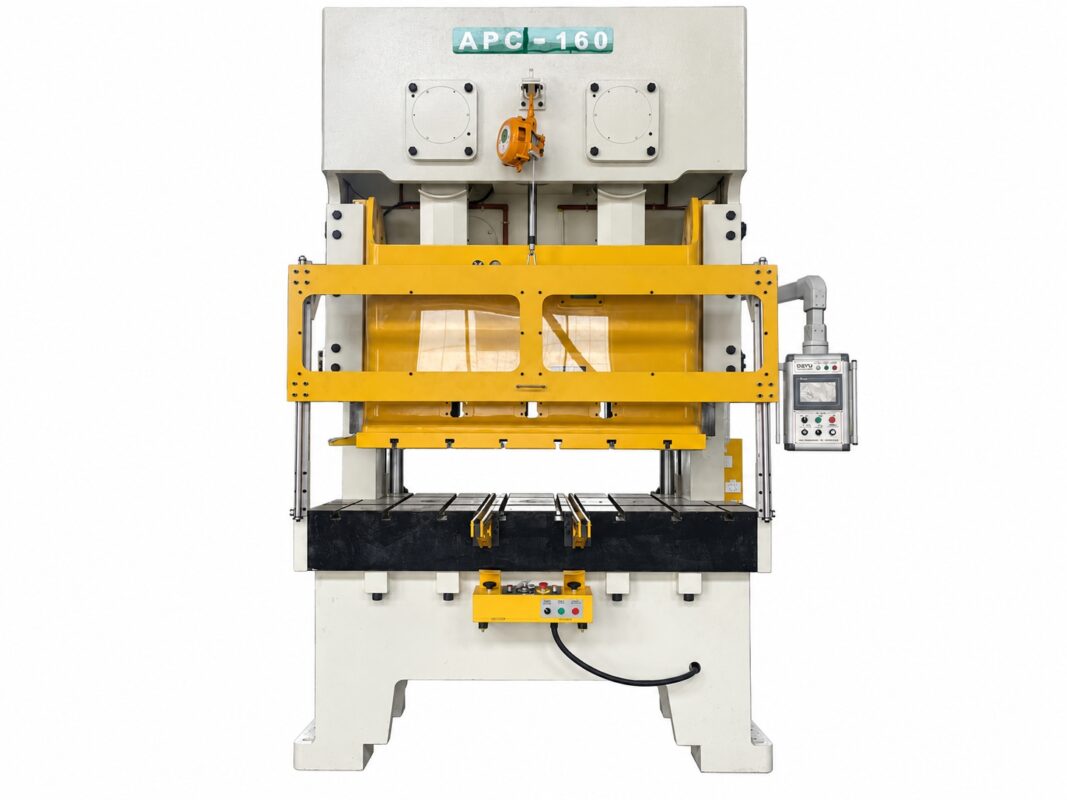
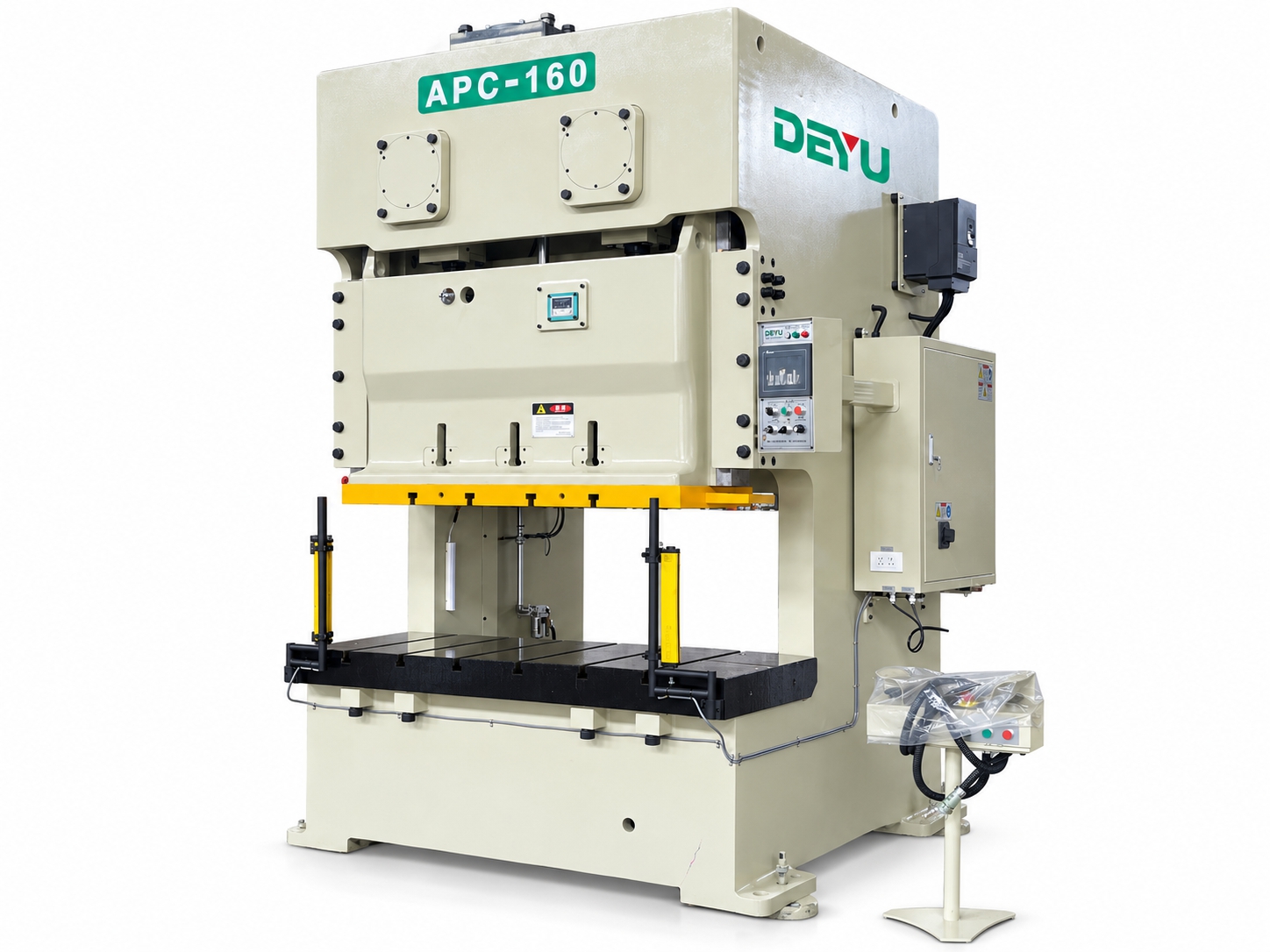
APC C-frame double-crank presses.
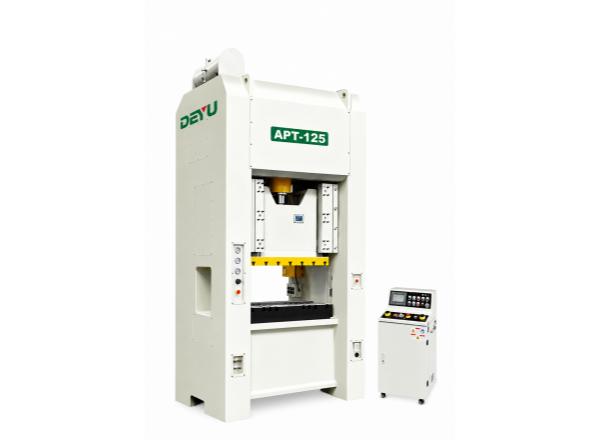
APT Series Press
DEYU APT series press specifications.