
Top rated products
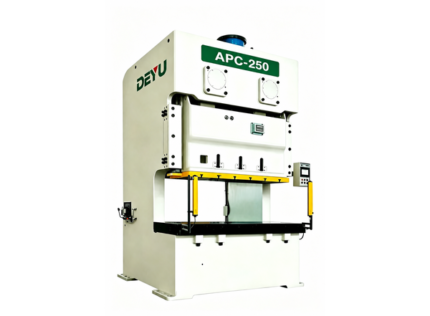

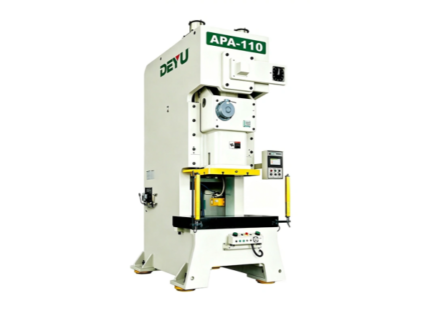
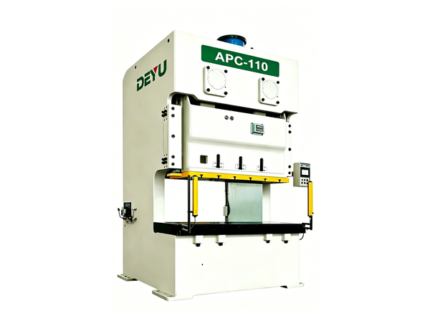

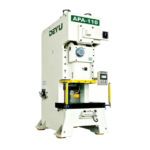
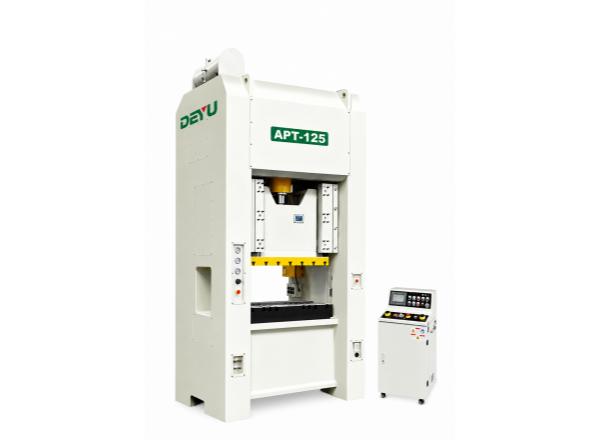
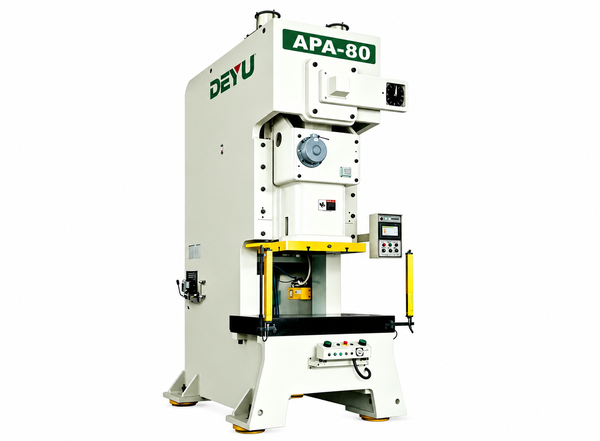
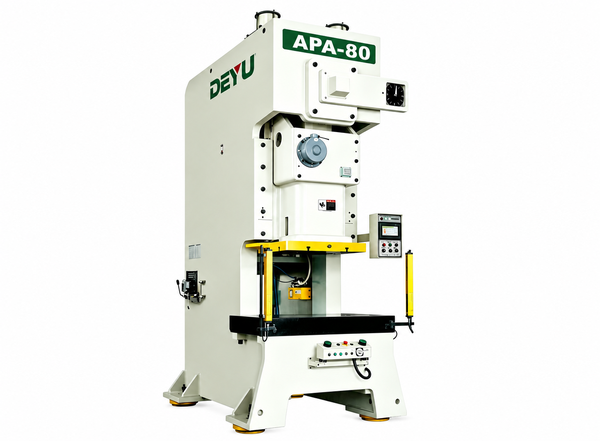
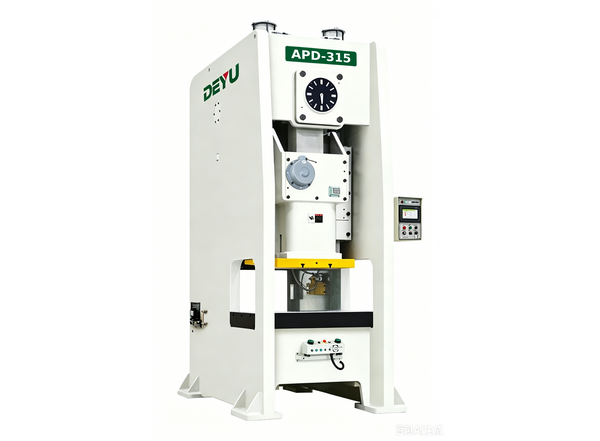
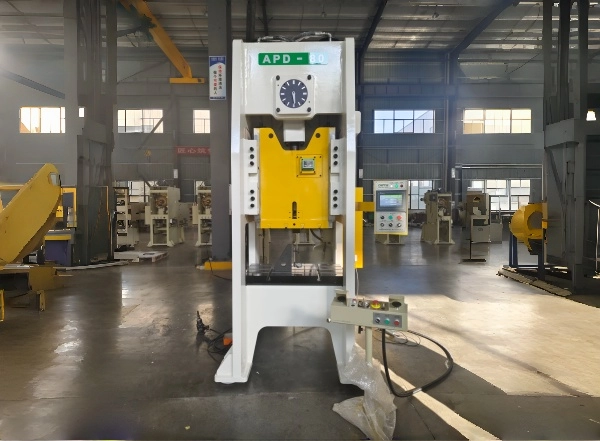
- Control machine tools’ actions with the use of rotary encoder and adopt human-computer interface system, for the convenience of human-computer communication.
- Lock connecting rod oil pressure and enhance precision of bottom dead center.
- With huge cost performance, they apply to motor totor punching.



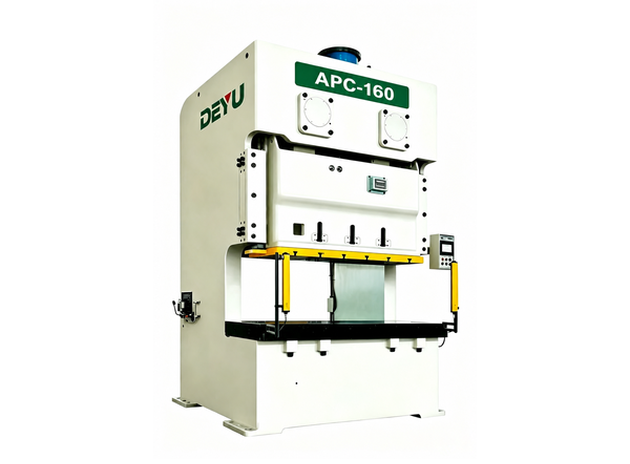

How to Choose Press Tonnage: 200, 400 or 600 Tons

What determines whether a stamping job needs a 200-, 400- or 600-ton press? Start with the load, then check die fit, stroke and production speed.
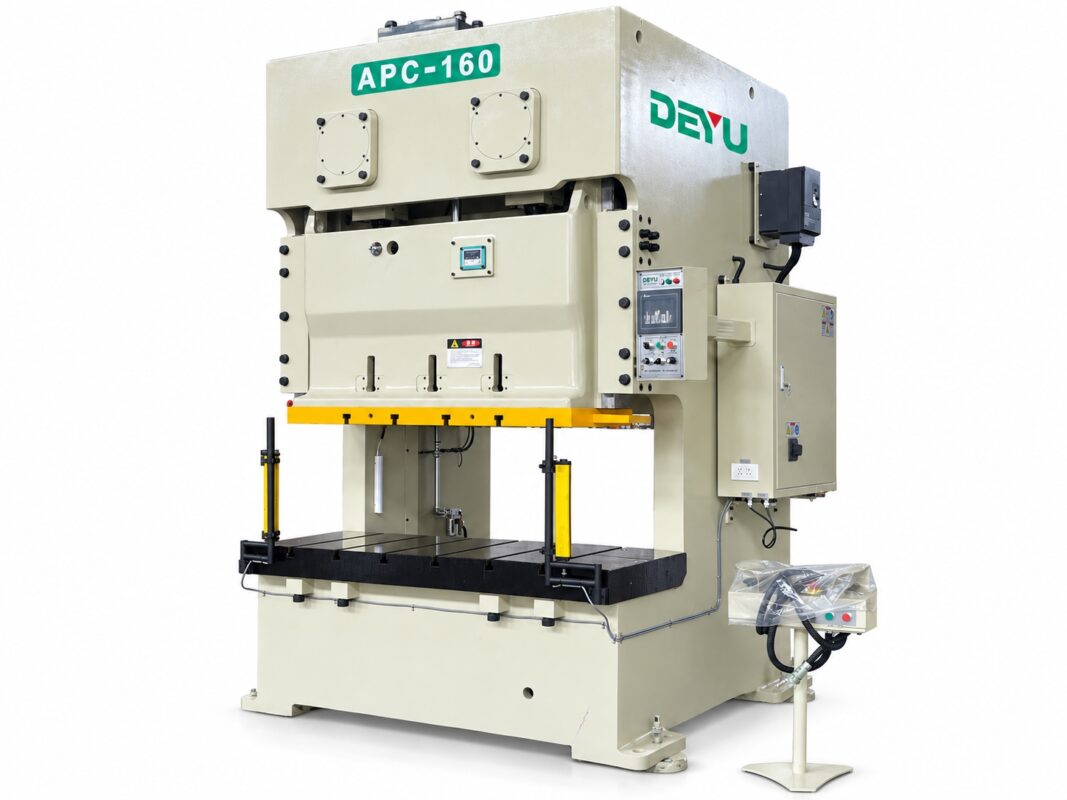
Stamping Press Cost Analysis: A Guide for Equipment Buyers
Understand the main costs involved in buying and operating a stamping press, from tooling and installation to maintenance and downtime, before comparing quotations.
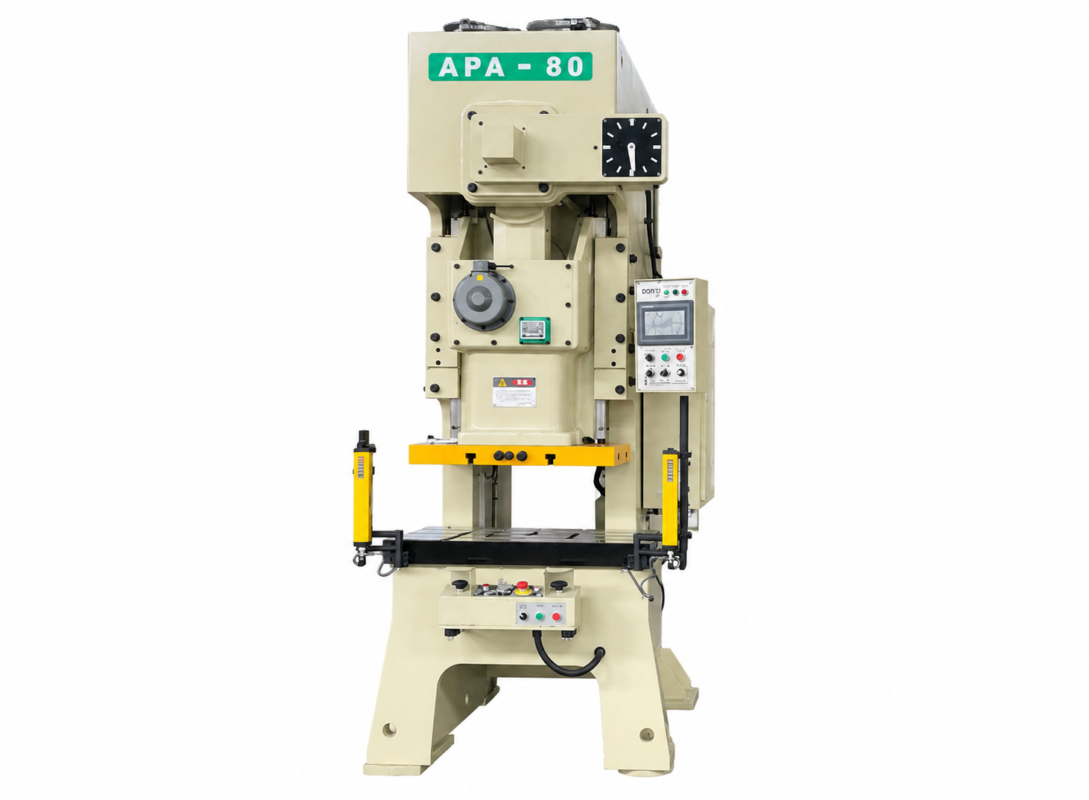
Stamping Press Applications in New Energy Vehicle Manufacturing
Learn how metal stamping is used for new energy vehicle brackets, mounting plates and connecting parts, and what to check when selecting a press and feeding equipment.
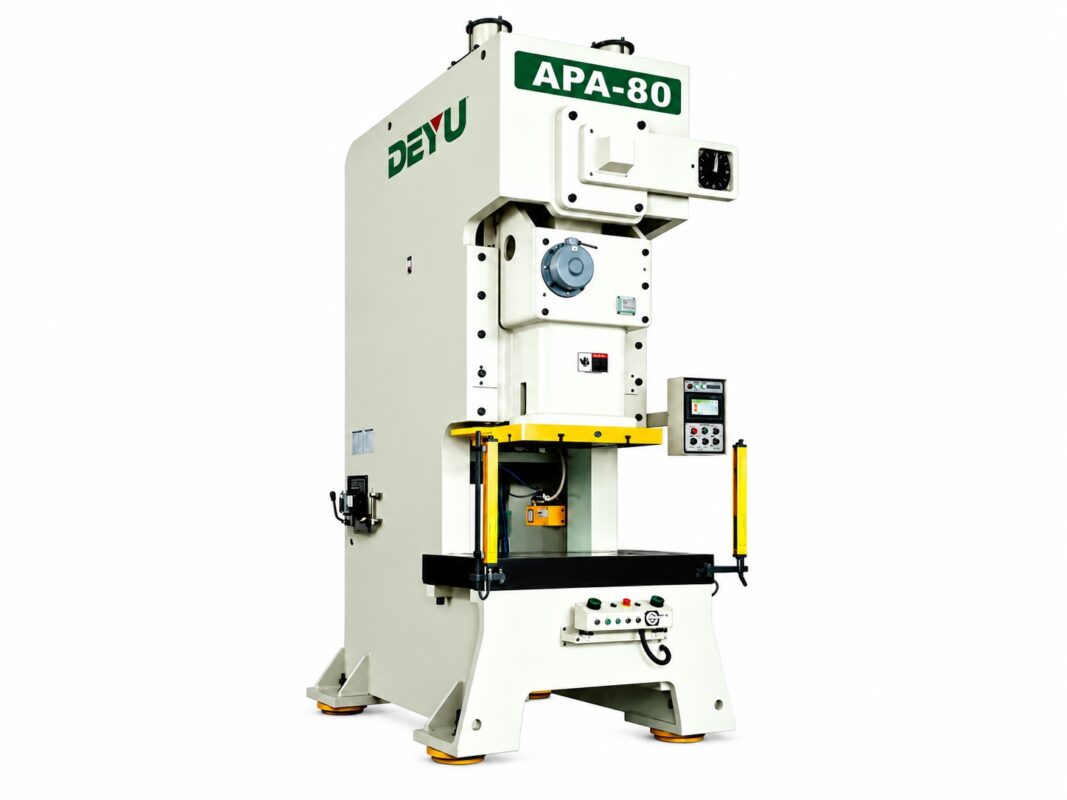
What Is a Mechanical Press and How Does It Work?
Understand how a mechanical press works, from the flywheel and crank mechanism to the slide and die. Learn its main components, stamping uses and what to check before selecting a machine.
How to Read Stamping Press Specifications
Understand the main stamping press specifications and what to check when comparing machines, from tonnage and stroke length to speed, bolster size and die height.
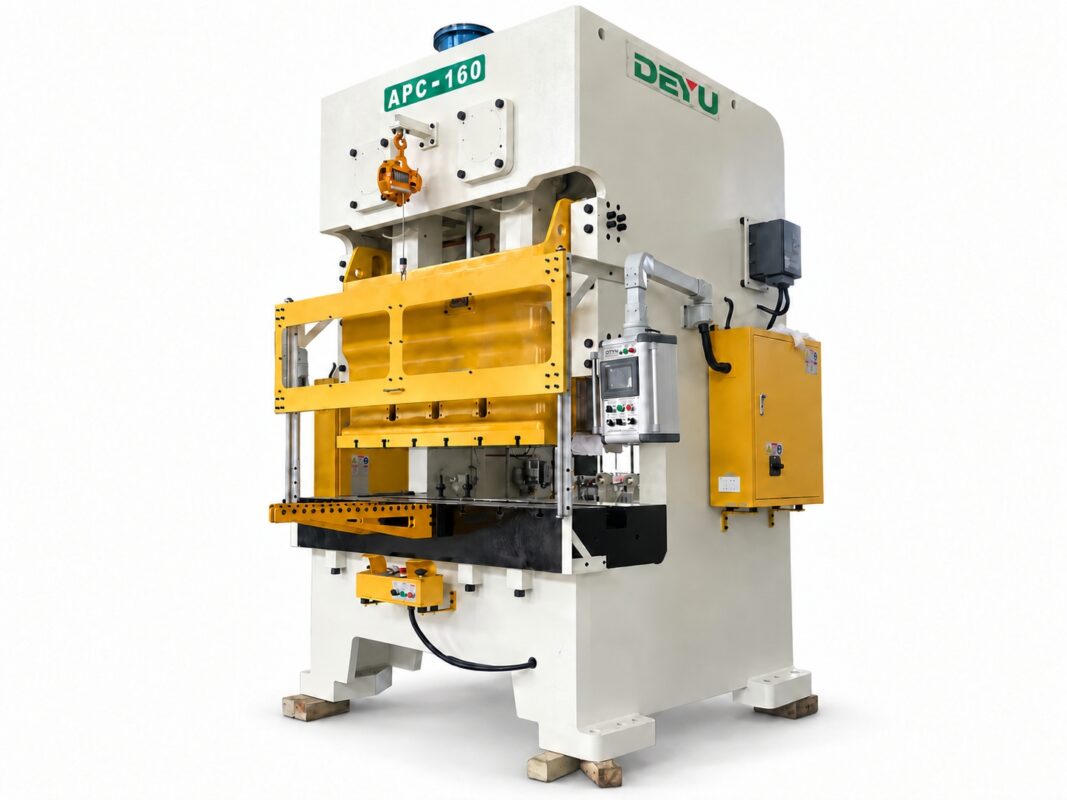
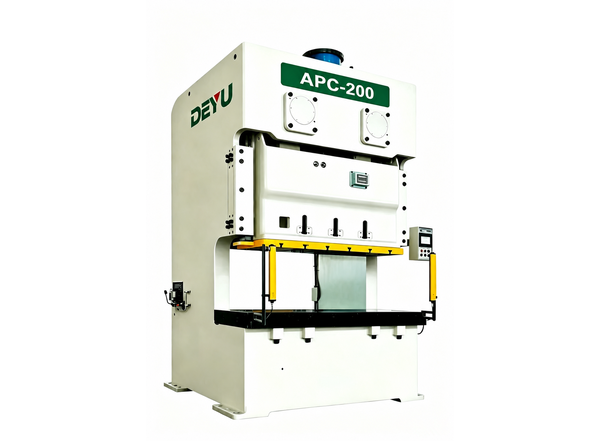
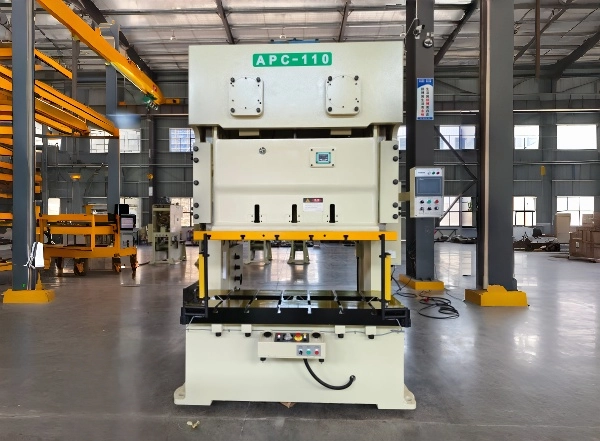
What Is a Two-Point Press and When Should You Use It?
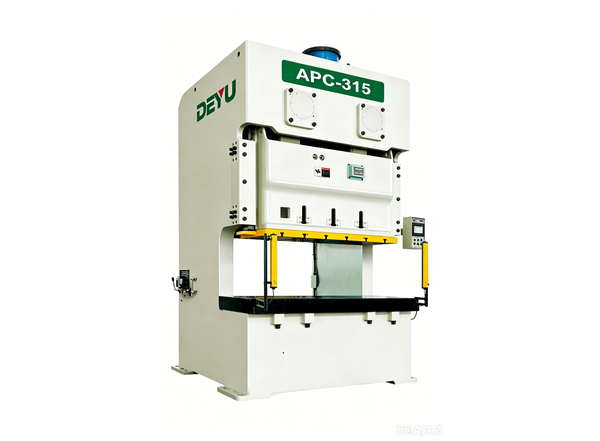
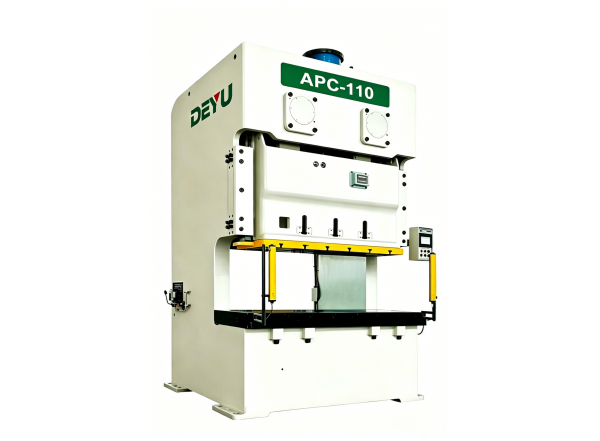
A two-point press drives the slide at two positions and provides a wider working area for wider dies. Learn when the DEYU APC Series may suit your stamping job.
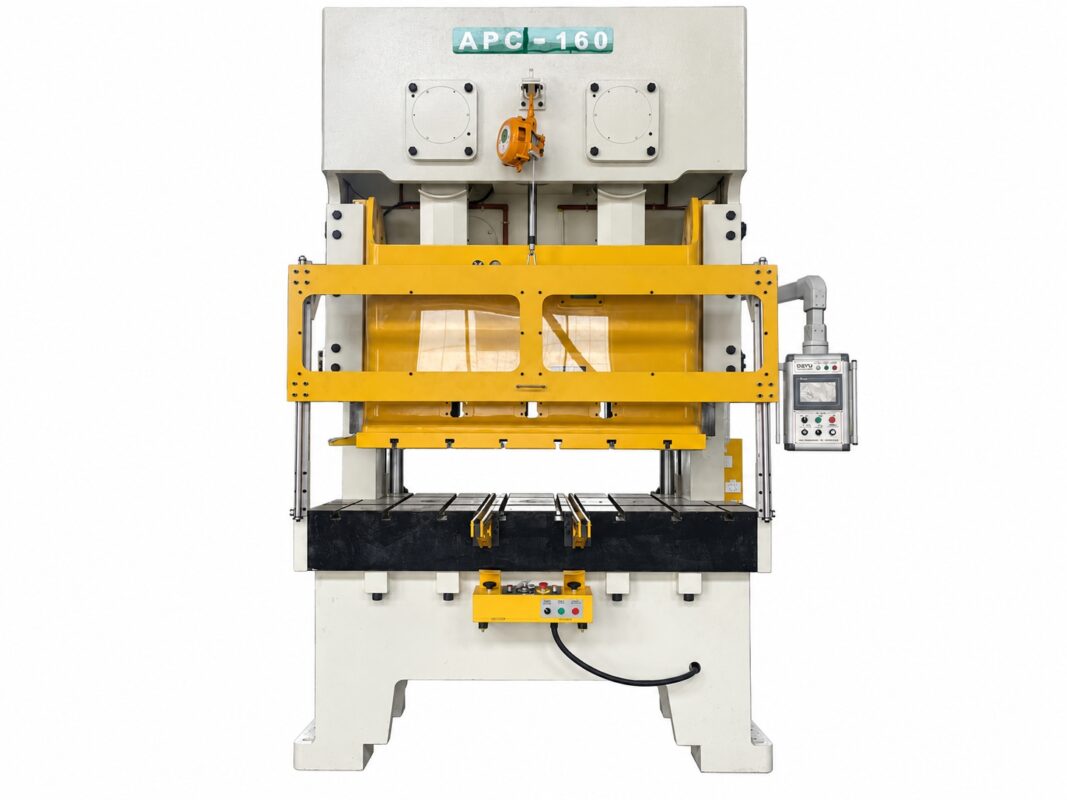
What Is Progressive Die Stamping and How Does It Work
Progressive die stamping uses one die with several stations to produce metal parts continuously. Learn how the process works and how to choose a suitable stamping press.
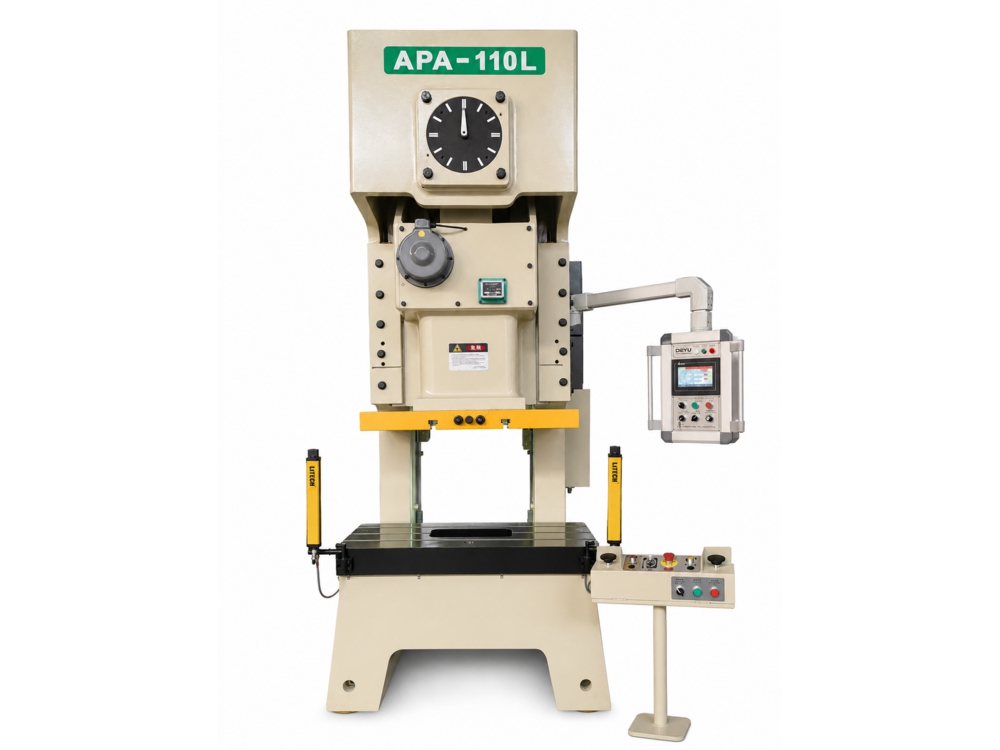
Differences Between Mechanical Press and Hydraulic Press
Not all presses are the same. Compare mechanical vs. hydraulic on force delivery, speed, stroke flexibility, and typical uses—so you can match the machine to your parts.
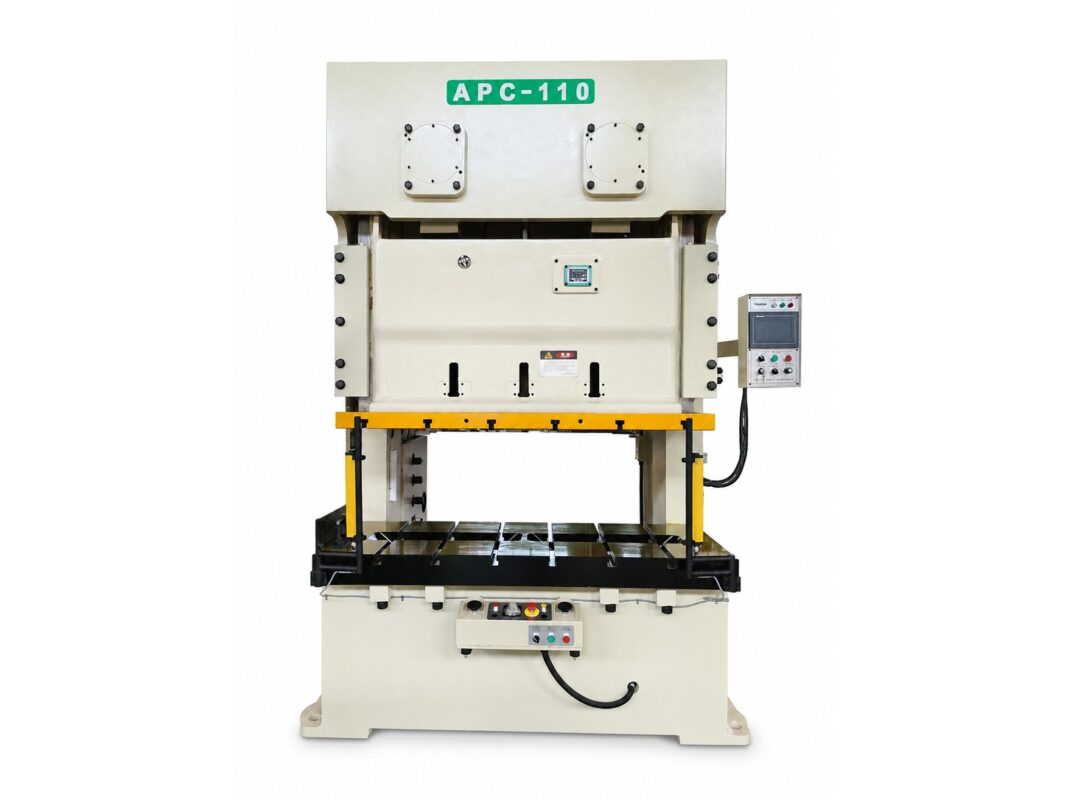
Single Crank vs Double Crank Press: What Is the Difference?
Understand the key differences between single-crank press machines and double-crank press machines, including the driving structure, working area, load distribution, mold size, and applicable stamping applications.
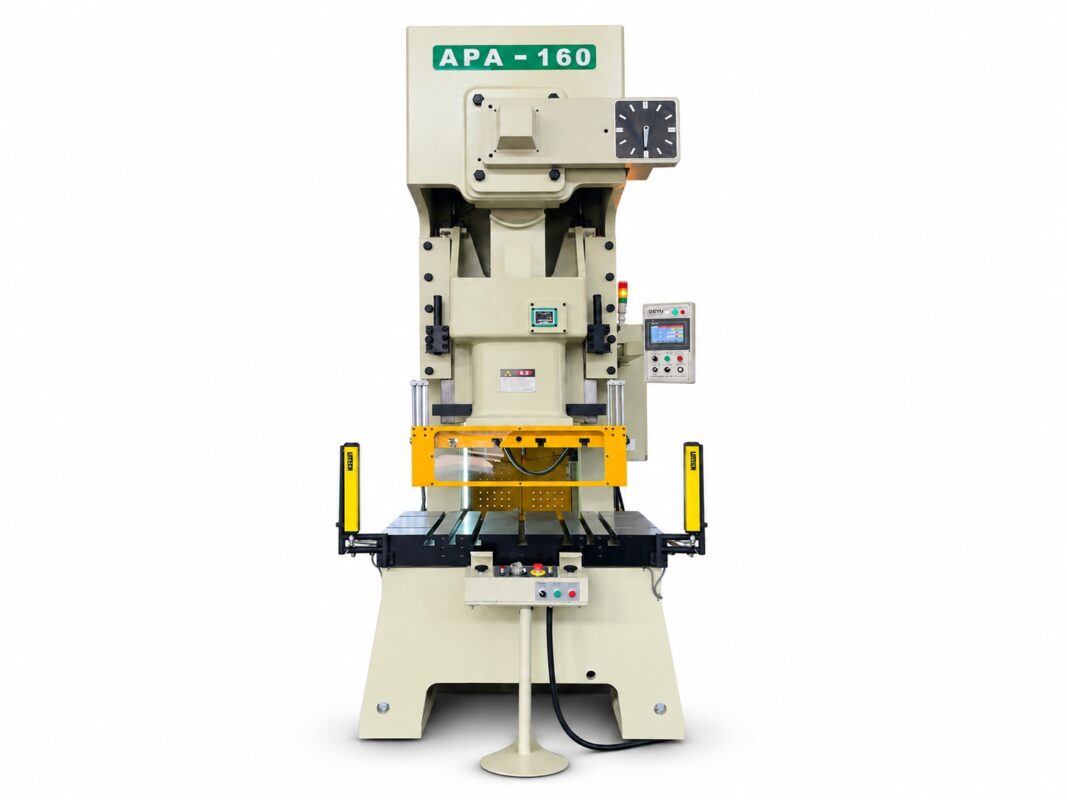
C-Frame Precision Press vs Straight-Side Precision Press
Compare C-frame and straight-side presses by frame rigidity, die access, working area, tonnage, die size and suitable applications to choose the right press.
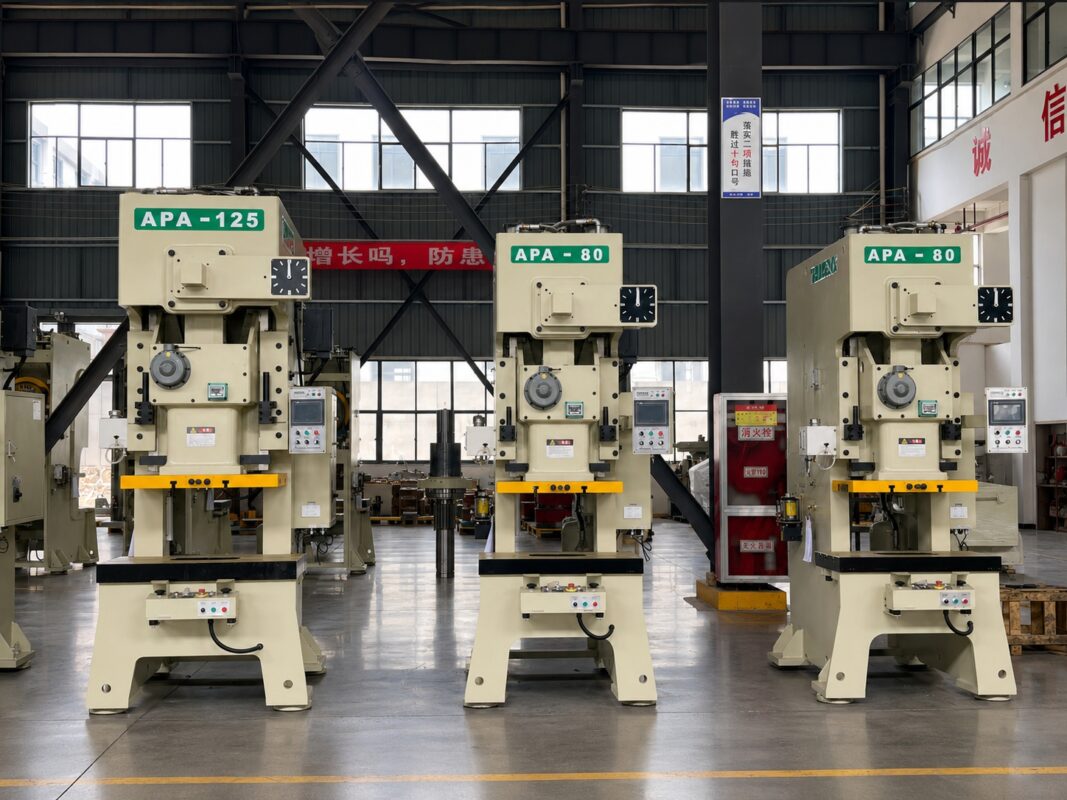
How to Read Stamping Press Specifications: 8 Key Parameters Explained
Learn how to understand the key
specifications of a stamping press and identify the information needed before selecting a suitable machine.
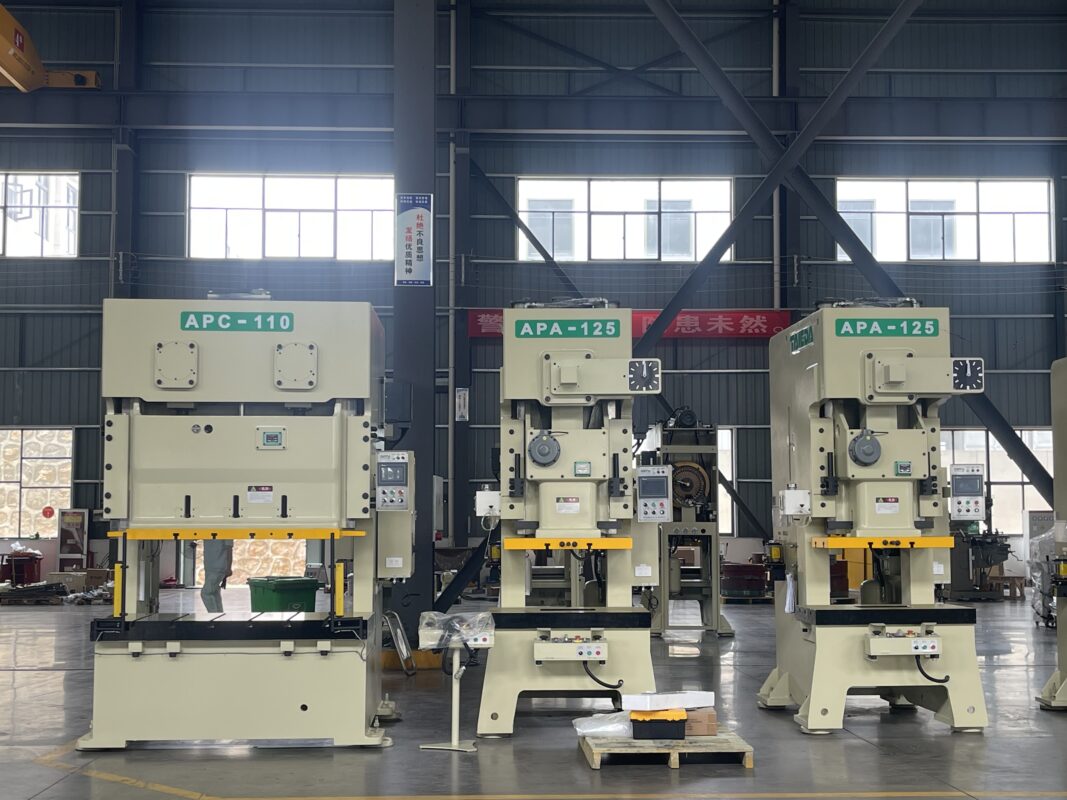
What Information Is Needed to Select a Stamping Press?
Learn what information buyers should prepare before selecting a stamping press, including part drawings, material, die data, production speed and automation requirements.